Ledger – Start Your Device Setup
Setting up your Ledger device is the most important step you will take to protect your digital assets. Your Ledger hardware wallet gives you physical control over your private keys, allowing you to manage cryptocurrency and digital tokens with the highest level of security available to everyday users. This guide walks you through the entire process—from downloading Ledger Live to securing your recovery phrase and adding your first accounts. Whether you are new to crypto or have used digital wallets before, this step-by-step journey will help you understand not just what to do, but why each step matters for your long-term security.
1. Understanding the Purpose of Ledger Setup
Before you begin, it’s important to understand what setting up your Ledger device actually accomplishes. A hardware wallet separates your private keys from the internet. Most crypto wallets stored on phones or computers are considered “hot wallets,” meaning they are constantly connected to the internet and therefore more vulnerable to malware, phishing, and remote attacks. A Ledger hardware wallet is a “cold wallet,” storing your keys inside a secure chip that never exposes them—even when connected to your computer.
Completing your setup ensures:
Your private keys are generated securely on the device
You alone control access to your assets
Your wallet can be backed up using a 24-word recovery phrase
No one, including Ledger, can access or recover your funds without your phrase
Going through the proper setup process establishes the foundation of your digital security.
2. Install Ledger Live
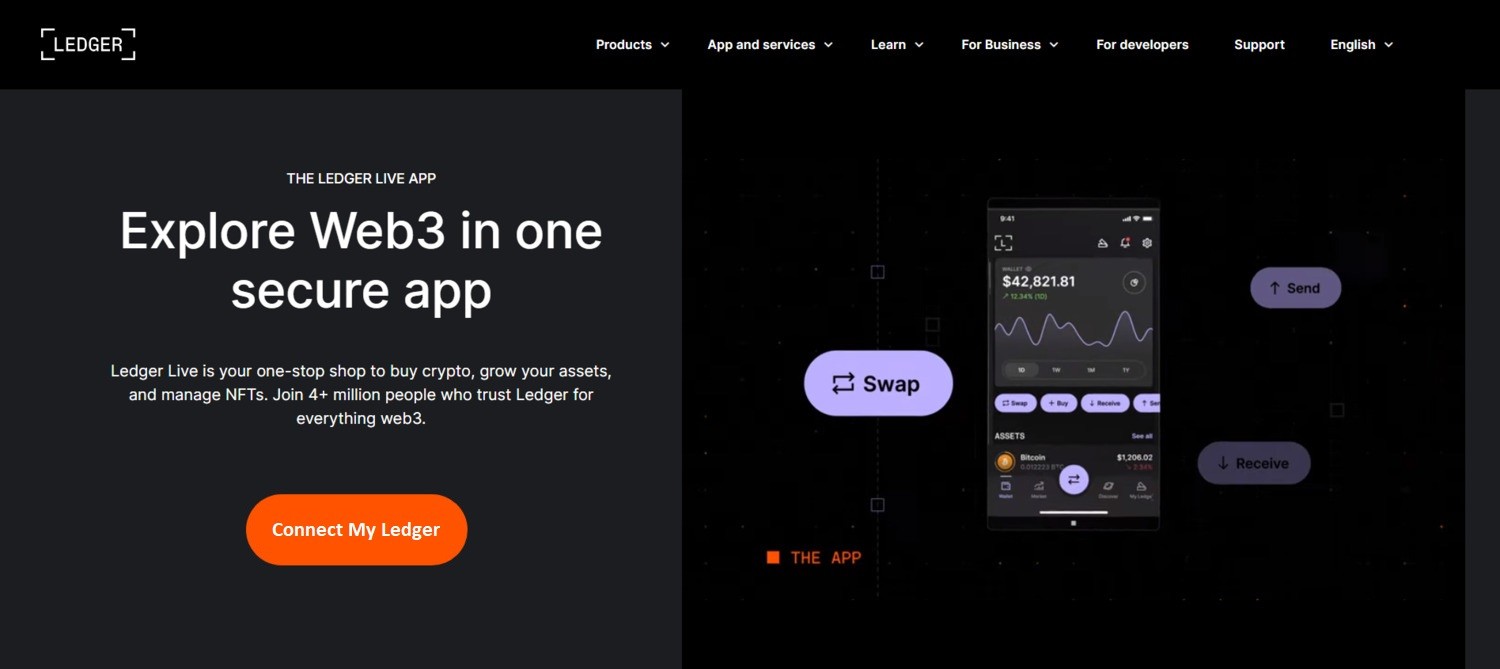
Ledger Live is the official companion app that helps you configure your device, install cryptocurrency apps, manage accounts, and track your portfolio. It is available on Windows, macOS, Linux, iOS, and Android. Installing Ledger Live from the legitimate source ensures you are working within a secure ecosystem that prevents malicious software from interfering with your device.
When you first launch Ledger Live, the interface will ask whether you are setting up a new device, restoring an existing wallet, or protecting an already configured device. Choose Set up a new device if your Ledger is fresh out of the box. If you previously owned a Ledger and want to recover your wallet with your recovery phrase, choose Restore from recovery phrase.
Ledger Live also serves as your primary interface for future interactions: checking balances, receiving assets, updating firmware, and installing crypto apps. It will remain essential long after the initial setup.
3. Connect and Initialize Your Ledger Device
Once Ledger Live is installed, plug your Ledger device into your computer or mobile device using the included cable. Ledger devices feature small screens and physical buttons that you use to navigate menus and make choices. Every action must be confirmed physically on the device—this is what prevents remote attackers from signing transactions without your consent.
During the first initialization, your device will guide you through:
Choosing a New Wallet or Restoring an Existing One
Select Create a new wallet if you want a fresh start.
Select Restore if you have a 24-word recovery phrase from a previous Ledger or from migrating from another wallet.
Setting a Secure PIN Code
Your PIN protects access to your device. Choose a PIN that is difficult to guess but easy for you to remember. Never share it and do not store it in a digital document.Confirming Device Authenticity
Ledger Live verifies that your device’s secure element chip has not been tampered with. This step protects you from counterfeit devices.
At this stage, your Ledger begins functioning as a personal security vault for your private keys.
4. Secure Your Recovery Phrase
One of the most critical moments during your Ledger setup is the generation of your 24-word recovery phrase. Your device will display these words one by one. This phrase is the master key to all the accounts you create on your Ledger. If your Ledger is lost, stolen, destroyed, or stops working, you can restore your entire wallet—every asset, every account—using this phrase.
Follow these essential rules:
Write the phrase down clearly on paper or use a durable backup medium.
Store the phrase in a safe location, separate from your device.
Never take photos of your phrase.
Never store it digitally on your phone, email, cloud drive, or computer.
Never share it, even with someone claiming to be support.
No website or app should ever ask for your 24 words.
Ledger devices are secure, but your recovery phrase is only safe if you protect it. Treat it like the keys to your home, your identity, and your savings combined.
5. Install Cryptocurrency Apps on Your Ledger
Your Ledger device does not manage every cryptocurrency by default. Instead, you install apps for the coins or networks you want to use. Each app enables your device to understand how to sign transactions for that particular blockchain.
To install apps:
Open Ledger Live
Navigate to the My Ledger section
Unlock your device with your PIN
Select the blockchain apps you want (e.g., Bitcoin, Ethereum, Solana, Polkadot, etc.)
Install them onto your device
These apps do not store coins—they simply allow your Ledger to interact with the networks. Your actual crypto remains on its respective blockchains, secured by your Ledger’s private keys.
6. Add Accounts in Ledger Live
Once you have installed the relevant apps on your device, you can begin adding accounts for each cryptocurrency. Adding an account does not cost fees and does not move your assets; it simply tells Ledger Live which addresses belong to your Ledger so it can display balances and track transactions.
To add accounts:
Open Ledger Live
Go to Accounts
Select Add Account
Choose the cryptocurrency you want
Connect and unlock your Ledger to verify ownership
Approve the creation of the account on the device
You can add multiple accounts for the same cryptocurrency. This is useful for organizing funds—example: personal savings, trading funds, and long-term storage.
7. Receive Your First Assets
When receiving assets, Ledger Live generates a fresh receiving address. It will ask you to confirm the address on your Ledger device. This is a powerful security feature: malware could trick your computer into showing a fake address, but your Ledger always shows the correct one.
To receive assets safely:
Choose an account
Select Receive
Unlock your Ledger and view the address on the screen
Ensure the address displayed on your Ledger matches the one in Ledger Live
Copy the address carefully
Send your crypto from an exchange or another wallet
Once your transaction is confirmed on the blockchain, Ledger Live will show your updated balance.
8. Sending Crypto Securely
When sending crypto using Ledger Live, a similar verification process occurs. After entering the recipient’s address and amount in Ledger Live, your Ledger device will display the transaction details. You must physically confirm the transaction before it can be broadcast.
This prevents attackers from sending funds without your permission.
Steps to send securely:
Open Ledger Live
Select Send
Enter the recipient’s address
Enter the amount
Connect and unlock your device
Review transaction details on your Ledger
Confirm the transaction on the device
Your private keys never leave the device. The transaction is signed inside the secure chip.
9. Keeping Your Ledger Updated
Ledger regularly releases firmware updates to improve security, add new features, and support more cryptocurrencies. Updating your device is safe when done through Ledger Live, and you will always be asked to confirm updates on the device itself.
General guidelines:
Only update through the official Ledger Live app
Never download files claiming to be firmware
Make sure your recovery phrase is safely stored before updating
Keep your device battery charged if applicable
Updates ensure your hardware wallet stays secure over the long term.
10. Best Practices for Long-Term Security
Once your Ledger is set up, follow these ongoing safety recommendations:
Keep your PIN private
Store your recovery phrase offline and securely
Do not connect your device to unknown computers
Avoid browser extensions or apps that are not verified
Always double-check addresses on the device
Enable passphrase protection if you want an extra layer of security
Beware of phishing—Ledger will never ask for your 24 words
These habits ensure your digital assets stay protected no matter how the crypto landscape changes.
11. You’re Ready to Use Your Ledger
At this point, your Ledger device is fully set up. You’ve installed Ledger Live, created a secure wallet, protected your recovery phrase, installed crypto apps, added accounts, and learned how to receive and send funds safely. You now have a secure foundation for managing crypto assets, whether you're investing long-term or interacting daily with blockchain networks.
Your Ledger will serve as your digital security companion for years to come.