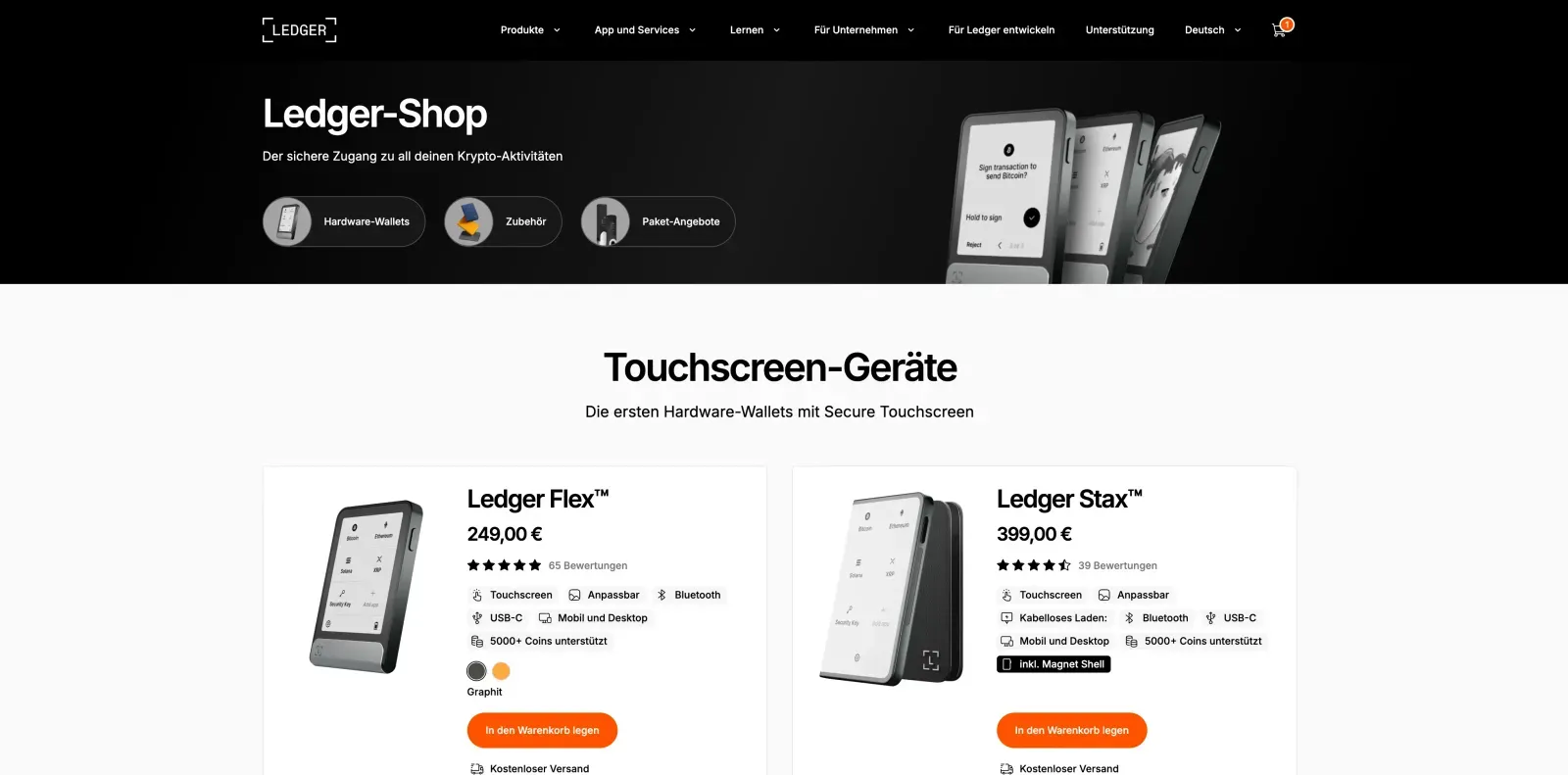
Getting Started With Your Ledger Hardware Wallet
Securing your digital assets begins with having full control over your private keys, and that journey often starts with setting up a reliable hardware wallet. This guide is designed to walk you through the complete process—from unboxing your Ledger device to confidently managing your crypto with Ledger Live. Whether you’re completely new to hardware wallets or upgrading from a software wallet, this detailed walkthrough will help ensure your setup is smooth, secure, and stress-free.
1. Why Use a Ledger Hardware Wallet?
A hardware wallet is the most secure method to protect your cryptocurrency because it keeps your private keys offline, isolated from potential online threats such as malware, phishing attacks, or remote hacking attempts. With a Ledger device, sensitive cryptographic operations happen inside a secure chip, meaning your private keys never leave the device.
Ledger wallets also integrate with Ledger Live, a powerful companion app that lets you buy, sell, swap, stake, and securely manage thousands of digital assets—all while maintaining complete control of your keys.
If you want the highest level of protection paired with ease of use, a Ledger device is a strong foundation for safeguarding your crypto portfolio.
2. What You Get in the Box
When you first open your Ledger package, you should find the following items:
Your Ledger device (Nano S Plus, Nano X, or the latest model)
USB cable (or USB-C depending on the model)
Recovery sheet cards
Instructions and quick-start guide
Before proceeding with setup, always ensure your device is brand-new and sealed. Never use a pre-configured device or one that already contains a recovery phrase. If a recovery phrase is provided inside the box, do not use the device—it may be compromised.
3. Setting Up Your Ledger Device
Step 1: Power On Your Device
Connect your Ledger device to your computer with the included cable. Depending on the model, you may also turn it on by holding a button. Once powered, the device will guide you through the initial steps using its built-in screen.
Step 2: Configure as a New Device
Select the option to Set up as new device. This ensures the wallet generates a fresh private key set that has never been exposed or stored elsewhere.
Step 3: Create a PIN
You will be prompted to create a PIN code, usually between 4–8 digits. This PIN protects your device from unauthorized access. Choose a PIN that is unique and not easily guessable. If someone physically obtains your device, the PIN is the first line of defense.
Step 4: Write Down Your Recovery Phrase
Your device will generate a 24-word recovery phrase (sometimes called a seed phrase). These words are the master key to all your accounts.
Your recovery phrase:
Must be written down on the provided recovery sheet.
Should never be shared with anyone.
Must be stored offline in a secure location.
Should not be photographed, typed, or uploaded to any device.
Anyone who has your 24-word phrase can take your crypto—so treat it with the highest level of caution.
4. Downloading and Installing Ledger Live
Ledger Live is the official app that allows you to manage your crypto assets securely.
Step 1: Get Ledger Live From the Official Source
To avoid phishing websites or fake apps, ensure you download Ledger Live only from the official Ledger website.
Once downloaded, install the software on your computer (Windows, macOS, or Linux) or mobile device, depending on your preference.
Step 2: Open Ledger Live and Start Initial Setup
Launch the app and choose Initialize a new device. Ledger Live will walk you through security checks to ensure your device has not been tampered with. This may include confirming that your recovery phrase was created directly on the device.
Step 3: Add Accounts
In Ledger Live, you can add accounts for each blockchain you want to manage—for example, Bitcoin, Ethereum, Solana, and many others. Ledger Live supports thousands of coins and tokens, with new integrations added regularly.
Each time you add an account, your Ledger device will verify the process to ensure security.
5. Receiving Your First Crypto
Once your accounts are set up, you’re ready to receive crypto to your Ledger wallet.
Step 1: Choose the Asset and Account
Open Ledger Live and select the account you want to receive funds to, such as “Bitcoin 1” or “Ethereum Main.”
Step 2: Verify the Address on Your Device
Ledger Live will display a wallet address, but for maximum security, your Ledger device will display the same address on its screen. Always verify the addresses match.
Step 3: Receive Funds
Share your verified wallet address with the sender or paste it into the exchange you are withdrawing from. Once the transaction is broadcast and confirmed, you'll see the balance appear in Ledger Live.
Your private keys never leave the device, and the received funds are secured offline.
6. Sending Crypto Safely
When sending crypto from Ledger Live:
Open the account of the asset you want to send.
Click Send and enter the recipient’s address and amount.
Confirm the transaction details on your Ledger device’s screen.
Approve the transaction physically by pressing the buttons.
This multi-step verification ensures no malicious software can alter your transaction details without your approval.
7. Using Ledger for Staking, Swapping, and More
Ledger Live provides more than basic send and receive features. Depending on the asset, you may also:
Stake coins such as ETH, DOT, ATOM, and more.
Swap crypto directly using partnered services.
Buy or sell crypto via integrated providers.
Earn rewards or participate in network governance (asset-dependent).
All advanced features maintain the core principle: your private keys stay offline on the Ledger device.
8. Security Best Practices
Owning a hardware wallet dramatically increases your crypto security, but maintaining good habits is essential.
Never Share Your Recovery Phrase
No support agent, company, or website will ever legitimately ask you for your 24-word phrase.
Beware of Fake Ledger Devices or Apps
Always buy devices from official sources and double-check URLs when downloading Ledger Live or connecting third-party apps.
Use a Strong PIN
Avoid obvious sequences or repeated digits.
Store Your Recovery Phrase Offline and in Multiple Safe Places
Some users store copies in separate secure locations. Avoid digital storage methods such as cloud services or phones.
Regularly Update Firmware
Firmware updates help improve security and compatibility. Ledger Live will notify you when updates are available. Always verify updates through the official app.
9. What Happens If Your Ledger Is Lost or Damaged?
Your crypto is not stored on the Ledger device itself—it is secured by your recovery phrase. If your device is lost, stolen, or damaged:
Purchase a new Ledger or compatible wallet.
Restore your accounts using your 24-word recovery phrase.
Your balances will reappear exactly as before.
This is why protecting the recovery phrase is more important than protecting the device.
10. Frequently Asked Questions
Does Ledger See My Crypto or Control My Funds?
No. Ledger never has access to your private keys, balances, or transactions. Everything is controlled by you via the recovery phrase.
Can I Use Ledger With Other Apps?
Yes. Ledger devices support numerous third-party wallets such as MetaMask, Rabby, Keplr, and others, depending on the blockchain.
Is a 24-Word Recovery Phrase Standard?
Yes. Ledger uses industry-standard BIP39 seed phrases, making your recovery phrase compatible with many other wallets.
11. Final Tips for Long-Term Crypto Security
As the crypto landscape evolves, threats also evolve. Following these principles will help keep your assets protected:
Always verify transaction details on your hardware wallet's screen.
Beware of fake airdrops, giveaway scams, or requests for your seed phrase.
Keep your Ledger device somewhere safe when not in use.
Back up your recovery phrase more than once but keep each copy securely hidden.
Periodically review your security setup to adapt to new best practices.
Conclusion
Setting up a hardware wallet is one of the smartest decisions you can make for your digital asset security. With your Ledger device and the Ledger Live app, you gain a powerful combination of protection, convenience, and control. By following the steps and best practices outlined in this guide, you’re well on your way to safely managing your crypto for years to come.
Whether you’re storing Bitcoin long-term, managing NFTs, staking various assets, or simply exploring the world of decentralized finance, your Ledger device gives you the confidence and security to navigate the crypto ecosystem with peace of mind.
If you’re ready to begin, power on your device, launch Ledger Live, and take the first step toward true self-custody of your digital assets.